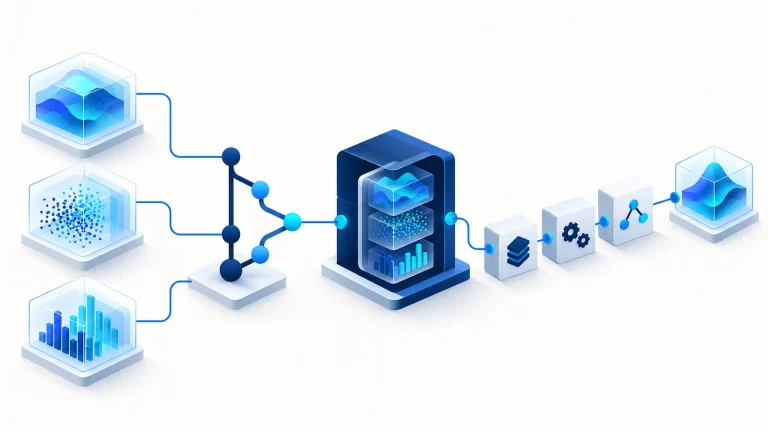

An AWS data platform connects source systems with storage, processing and the consumers that depend on its outputs. The architecture should explain how data arrives, how changes are validated and how failures are recovered. A diagram of service names is not enough to establish those behaviors.
The useful starting point is a data product: who consumes it, which source records it represents and what freshness and correctness mean. Service selection follows those requirements. A small scheduled dataset and a high-volume event stream do not necessarily need the same ingestion or processing pattern.
Sources and ownership
Operational sources may include relational databases, application events and files. AWS services such as RDS and DynamoDB can participate as sources, but each source still needs an owner, schema contract and permitted-use definition. Record extraction windows and how updates or deletions become visible downstream.
For a hypothetical daily order dataset, decide whether the extract captures current state, changes since a checkpoint or an immutable business event. Those choices affect replay, reconciliation and historical interpretation. A timestamp alone does not explain whether a late correction has been included.
Ingestion boundaries
Separate source reading from downstream transformation. Ingestion should record what arrived, which source interval it represents and whether the capture completed. Use recoverable identifiers and explicit handling for duplicates, late records and partial delivery.
A source retry must not silently duplicate business records. Define idempotency or deduplication around meaningful record identities. For mutable sources, document the consistency limits of extraction. A successful network transfer does not prove that the extracted population matches the intended business window.
Storage and organization
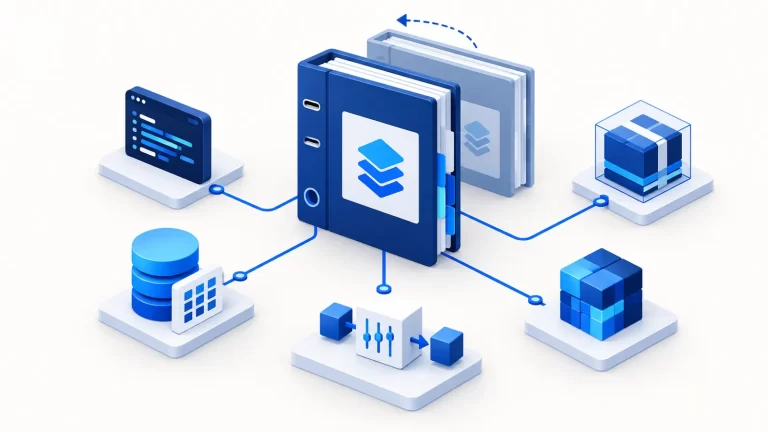
Object storage can retain raw and processed files, but folder names alone do not create governance. Define data zones, partition conventions, access policies, retention and discoverability. Preserve source context so a processed output can be traced to its inputs.
Choose formats and partitioning around query and update patterns. Excessively small files, inconsistent schemas and poorly chosen partitions can make downstream work inefficient. Review these choices with representative data instead of assuming that putting files in a lake makes them usable.
Transformation and orchestration
Processing jobs apply reviewed rules and produce versioned outputs. Services such as Glue or Lambda may fit different parts of a workload, depending on execution characteristics and constraints. Step Functions can coordinate workflow stages. None removes the need to define dependencies, retries and failure ownership.
Distinguish a safe stage retry from repeating an external side effect. A transformation that writes a replaceable temporary output is different from a stage that updates a consumer system. Publish completed outputs through an explicit acceptance step rather than exposing partially written results.
Query and consumption
Athena and Redshift represent different analytics approaches. Select the query path using workload requirements, supported data organization, concurrency and operational responsibilities. Verify current service capabilities for the actual design rather than assigning every dataset to one service by habit.
Expose a stable consumer contract. Define field meanings, freshness indicators and how a consumer detects incomplete or stale data. Changes to a shared dataset should have a compatibility and communication process. Technical availability is not the same as a trustworthy business result.
A practical daily pipeline
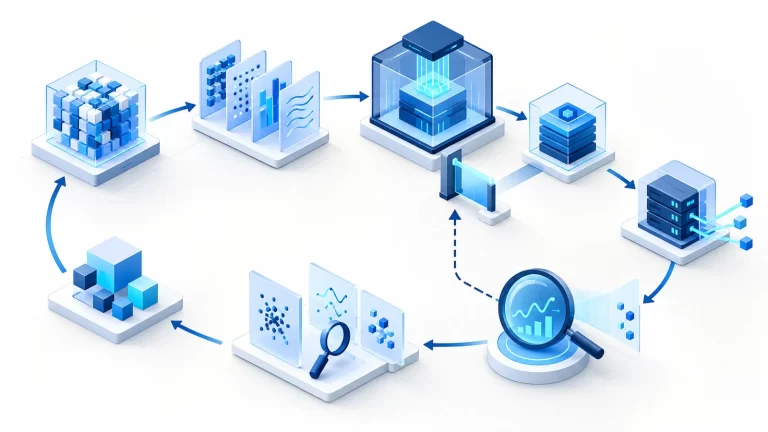
The order example captures an approved source interval and records its extraction identity. Validation checks schema and required records. Transformation creates a curated dataset. Reconciliation compares relevant counts and business totals before publishing the accepted partition to analytics consumers.
If validation fails, the previously accepted output remains identifiable and consumers receive a clear freshness signal. The team fixes the source or transformation issue and replays the intended interval. This is an illustrative design, not a claim that a particular customer implementation exists.

Monitoring and recovery
Observe job completion, duration, failed stages and data-quality conditions. CloudWatch can support operational telemetry, while correctness checks must reflect the dataset’s contract. A completed workflow can still publish duplicate or incomplete data if those conditions are not tested.
Retain source captures and processing references according to policy. Test replay and restoration with authorized access. Record the difference between rebuilding an output from retained inputs and restoring a missing external source. Recovery promises should match the data actually retained.

Trade-offs and recommended approach
Managed services reduce some infrastructure work but introduce configuration, limits and integration obligations. More services can provide specialized capabilities while creating more boundaries to observe and maintain. Keep the architecture as small as the data product permits.
Start with one end-to-end dataset, its consumer contract and a reconciliation test. Add streaming, catalogs or additional processing layers when there is a demonstrated requirement. Maintain cost visibility through actual usage and workload measurements rather than unsupported savings claims.
Key takeaways
- Define source meaning and consumer acceptance before choosing services.
- Record ingestion intervals and replay identities.
- Publish only validated, reconciled outputs.
- Test recovery with retained inputs and documented permissions.