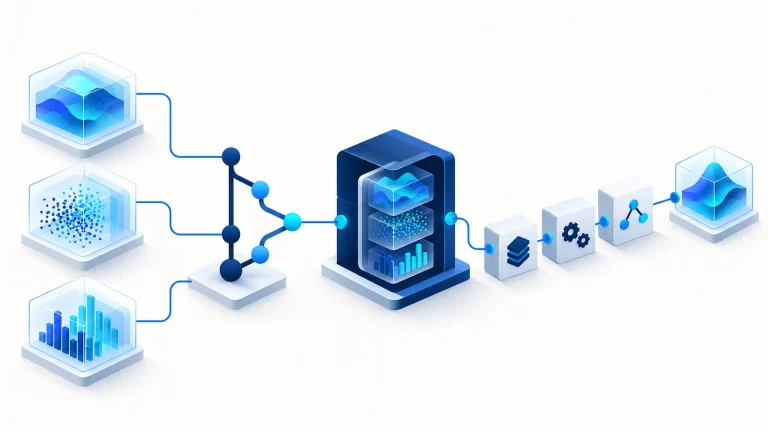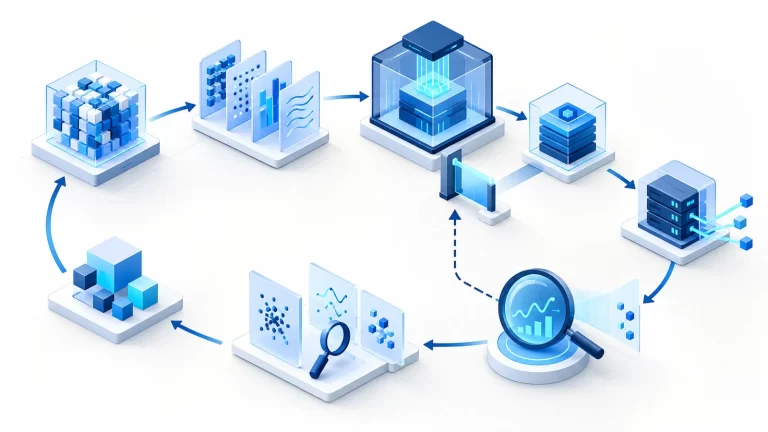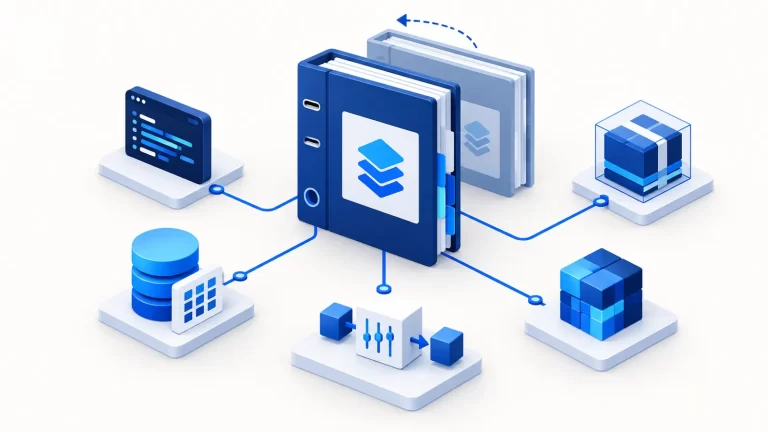
LLMOps is the operational lifecycle of applications built around large language models. The application includes more than a model endpoint: prompts, retrieval sources, document permissions, tool integrations, evaluation data and release configuration all affect behavior.
A model can remain unchanged while a new prompt or document index alters the application substantially. Reliable operation therefore requires versioning and evaluating the complete application. It does not require continuous learning, and user feedback does not automatically retrain a hosted model.
Define the application’s responsibility
Specify the task, intended users and decisions the application may support. Distinguish preparing a draft from executing an action. An assistant that summarizes approved documents has a different risk boundary from one that changes accounts or sends messages.
Define unsupported cases and fallback behavior. A response that clearly lacks enough information can be preferable to a polished guess. Acceptance criteria should cover useful behavior and refusal or escalation conditions, not simply whether a request returns text.
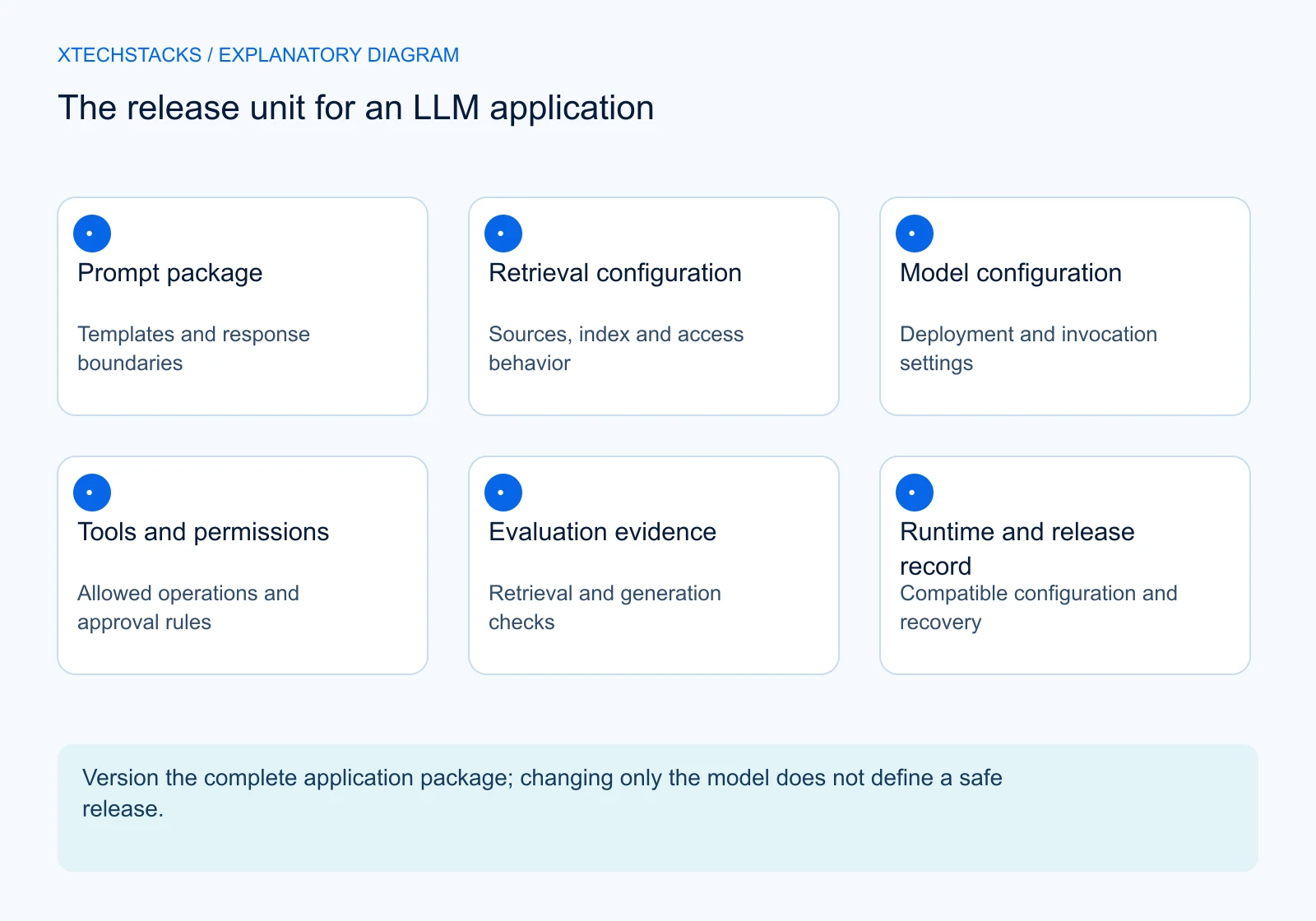
Version the complete release
Record model identity, provider configuration, prompt revision, retrieval settings, document-index version, tool definitions and application code. Include the evaluation procedure and dependency environment. Resolve mutable aliases to the available authoritative identity when recording a release.
Some provider-managed behavior may change outside the application’s direct control. Document that boundary and monitor it rather than claiming complete determinism. Preserve enough configuration to compare releases meaningfully, even where exact response reproduction is not guaranteed.
Evaluate retrieval and generation separately
Retrieval evaluation asks whether relevant, authorized material reaches the application. Generation evaluation asks whether the answer uses that material appropriately, communicates uncertainty and satisfies the output contract. Combining the two into a single score can conceal the stage that needs improvement.
Use representative questions, missing-information cases, conflicting documents and permission boundaries. Preserve a reviewed evaluation set, and expand it with incidents. Keep evaluator limitations visible: automated grading can support review but should not be presented as infallible ground truth.
Tool execution and access controls
Enforce permissions in application code and downstream systems. Prompt wording is not a reliable substitute for authorization. Validate tool names and arguments, limit reachable operations and require appropriate human approval for consequential actions.
Treat retrieved content as untrusted instructions. A document may contain text that attempts to redirect the assistant. Separate the document’s evidence from instructions governing application behavior, and avoid allowing model-generated text to become unrestricted executable commands.
A practical knowledge-assistant release
Consider a hypothetical internal assistant that answers platform documentation questions. An ingestion job reads approved sources, chunks them and publishes an index. Query-time permissions filter accessible material. The application retrieves passages, prepares a versioned prompt and returns a draft answer with source references.
A release changes the chunking strategy. Before promotion, the team compares retrieval coverage, citation quality and missing-information behavior against the previous index. It tests revoked-document access and stale-source cases. An attractive interface is not evidence that those controls work.
Observability without excessive retention
Record latency, failures, retrieval results, model configuration and application release identity where appropriate. Track cost using actual provider usage records rather than guesses from character counts. Protect prompts and responses that may contain sensitive information, and define access and retention for traces.
Operational signals should support a decision. A rise in empty retrieval results suggests a different investigation from a provider timeout. A response-quality concern may require reviewed examples rather than an infrastructure restart. Assign owners to each response path.
Change management and recovery
Promote prompt, index and model changes through the same evaluation boundary as code changes. Stage exposure where the application supports it. Retain the previous compatible configuration and document how to revert the index or disable a failing tool integration.
Recovery may mean temporarily limiting capability rather than switching models. If a document source is compromised, restoring an earlier prompt will not remove the source defect. Investigate the failing boundary and use a fallback whose assumptions remain valid.
Trade-offs and recommended approach
Frameworks and observability products can reduce integration effort, but they add dependencies and data-handling obligations. Managed model access avoids operating model infrastructure but introduces provider limits and lifecycle changes. Compare these obligations against the team’s actual requirements.
Start with one bounded task, a reviewed evaluation set and explicit release records. Establish permissions and recovery before enabling tools. Add complexity only when a measured limitation requires it. LLMOps is useful when the application can be evaluated, investigated and controlled—not when it merely has more dashboards.
Key takeaways
- Version prompts, retrieval and tools alongside model access.
- Evaluate evidence selection separately from answer quality.
- Enforce permissions outside prompt instructions.
- Retain compatible configurations and a bounded fallback.
Exercise a release regression
Change one retrieval setting in a test environment and replay a reviewed question whose supporting passage is known. Compare the selected sources and the answer with the approved baseline. This check helps separate an index or retrieval regression from a generation problem and makes rollback evidence more concrete.